Decoding Your EICR in Watford
Understanding your Electrical Installation Condition Report (EICR) is key to ensuring a safe living environment. This report is not merely a formality; it serves as a vital check-up for your electrical systems, identifying potential hazards and compliance issues. Ready to learn more about the EICR and its importance? Let’s dive in!
What You Will Learn
- The EICR is essential for identifying potential electrical hazards and ensuring compliance with safety standards.
- Regular inspections can prevent electrical hazards, protecting both lives and properties.
- Key components evaluated in an EICR include wiring integrity, RCD functionality, and earthing systems.
- Tenants have the right to request EICRs from landlords, ensuring safe living conditions.
- Simple DIY checks can help tenants identify potential electrical issues before they escalate.
- Understanding common electrical hazards in rental properties empowers tenants to advocate for their safety.
EICR Process at a Glance
This visual outlines the key steps and components of an EICR, helping property owners and tenants understand the inspection process and its importance.
Step 1:
Inspection Processes
A qualified electrician conducts a detailed examination of all electrical installations. This involves visual checks and initial assessments.
Step 2:
Key Component Evaluation
- ✓ Wiring integrity
- ✓ RCD functionality
- ✓ Earthing effectiveness
Step 3:
Electrical Testing Methods
- ✓ Circuit testing
- ✓ Earth testing
- ✓ Insulation resistance
Step 4:
Report Generation & Recommendations
A formal EICR document is issued, outlining findings, identifying faults, potential risks, and providing recommendations for necessary repairs to ensure compliance.
Understanding the Basics of Your Electrical Installation Condition Report (EICR) in Watford
When it comes to maintaining electrical safety in our homes and businesses, understanding the Electrical Installation Condition Report (EICR) is crucial. This report acts as a vital check-up for your electrical systems, ensuring that everything is in safe working order. As a property maintenance expert, I believe that knowing what an EICR entails can empower homeowners in Watford to make informed decisions about their properties!
The EICR is not just a formality; it plays a significant role in preventing electrical hazards, protecting both lives and properties. With every inspection, electrical safety is prioritized, which means fewer worries for you and your loved ones. So, let’s dig deeper into what this report includes and why it matters!
Defining the Electrical Installation Condition Report (EICR)
An Electrical Installation Condition Report (EICR) is a formal document that outlines the safety and condition of your electrical installations. This report is typically compiled after a detailed inspection by a qualified electrician. It helps identify any faults or potential risks within your electrical system, ensuring everything is compliant with current safety regulations. For more detailed information on what an EICR entails, you can refer to this guide to condition reports from Electrical Safety First.
- Identifies potential hazards or risks
- Assesses compliance with safety standards
- Provides recommendations for necessary repairs
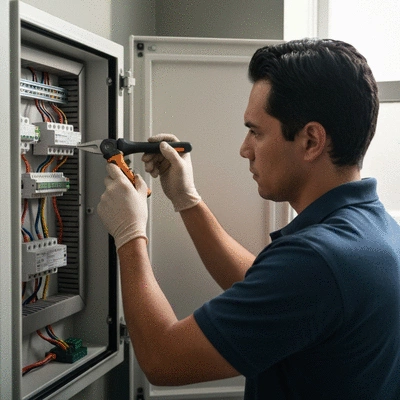
Understanding the EICR helps you grasp the level of care your electrical systems require, making it essential for any property owner. Whenever I conduct an EICR, I view it as an opportunity to safeguard my clients' homes and businesses, ensuring a secure environment for everyone.
Key Components of the EICR
Several key elements comprise an EICR, each crucial for assessing the safety and functionality of your electrical systems. When an electrician conducts an EICR, they will typically evaluate:
- Inspection processes: A thorough examination of all electrical installations
- Wiring: Ensuring wiring is intact and up to code
- Residual Current Devices (RCDs): Checking their functionality to prevent electric shocks
- Earthing: Confirming that earthing systems are effective for safety
These components work together to create a comprehensive picture of your electrical safety. Having a solid understanding of these elements allows property owners like you to take proactive measures in maintaining your properties effectively. After all, prevention is always better than a cure!
Electrical Testing Methods Used in EICRs
To ensure compliance and safety, various electrical testing methods are employed during an EICR. Some of the most common methods include:
- Circuit testing: Verifying that electrical circuits function properly and safely
- Earth testing: Ensuring that earthing systems are effective
- Insulation resistance testing: Checking the integrity of insulation in electrical wires
These methods are crucial for establishing the reliability of your electrical systems. By understanding these testing techniques, you can better appreciate the importance of regular inspections. It’s a peace-of-mind investment that keeps your property safe!
Why EICRs Matter for Property Owners in Watford
As a property owner in Watford, you might wonder why EICRs are so vital. Well, they are not just regulatory requirements; they are essential for ensuring the safety and longevity of your electrical systems. Let's break down the significance!
Did You Know?
According to recent studies, properties that undergo regular Electrical Installation Condition Reports (EICRs) can reduce the risk of electrical fires by up to 70%. This highlights the importance of routine inspections in maintaining safety and compliance!
Understanding Tenant Rights and Responsibilities
What Tenants Should Know About EICRs
As a tenant in Watford, it’s crucial to understand your rights regarding electrical safety. An Electrical Installation Condition Report (EICR) is more than just a document—it’s a guarantee of safe living conditions. Tenants have the right to request a copy of the EICR from their landlord, ensuring that the property is safe and compliant with local regulations. The government's guidance on electrical safety standards in the private rented sector provides a comprehensive overview of these rights and landlord obligations.
Being informed means you can advocate for your safety! If you notice any discrepancies in the EICR or concerns about electrical safety, don't hesitate to discuss these with your landlord. Knowing your rights is the first step in ensuring a secure living environment.
DIY Electrical Safety Checks: What You Can Do
While you should always consult a professional for significant electrical issues, there are simple checks you can perform as a tenant. Here are some basic steps to follow:
- Check for any flickering lights or frequently tripped circuit breakers.
- Inspect plugs and sockets for signs of damage or overheating.
- Ensure that all electrical appliances are in good condition and not frayed or damaged.
By conducting these checks, you can catch potential issues early. If anything seems off, reach out to your landlord or a local expert from BigFunction Property Maintenance. We’re here to help ensure your home remains a safe place to live!
Awareness of Electrical Hazards in Rental Properties
Tenants must be vigilant about common electrical hazards that can arise in rental properties. Some of the main hazards to watch out for include:
- Overloaded power outlets, which can lead to fires.
- Exposed wiring that poses a shock risk.
- Faulty electrical appliances that may not meet safety standards.
Understanding these hazards empowers you to act quickly and protect yourself and your belongings. If you notice any of these issues, it's important to report them immediately to your landlord or property manager. Remember, safety first!
Frequently Asked Questions about EICRs
What is an EICR?
An Electrical Installation Condition Report (EICR) is a formal document that assesses the safety and condition of electrical installations in a property, identifying faults or potential risks and ensuring compliance with safety regulations.
How often should an EICR be conducted?
While not explicitly stated in the article, EICRs are typically recommended every 5 years for rental properties, or more frequently if there are any signs of electrical issues or changes to the electrical system. This helps maintain ongoing electrical safety and compliance.
What are the key components evaluated during an EICR?
Key components evaluated in an EICR include the integrity of the wiring, the functionality of Residual Current Devices (RCDs), and the effectiveness of earthing systems.
Do tenants have the right to request an EICR from their landlord?
Yes, tenants have the right to request a copy of the EICR from their landlord to ensure the property meets electrical safety standards and is compliant with local regulations.
What are some common electrical hazards tenants should be aware of?
Common electrical hazards include overloaded power outlets, exposed wiring, and faulty electrical appliances. Tenants should report these issues to their landlord immediately.
Summary of EICR Process and Local Compliance in Watford
Final Considerations for Property Owners and Tenants
In summary, staying informed about the EICR process is vital for both property owners and tenants in Watford. Regular inspections not only ensure safety but also help maintain property value. Whether you're a tenant or a landlord, knowing your rights and responsibilities can significantly impact your living experience. The NICEIC Best Practice Guide offers further insights into the best practices for electrical installations and their maintenance.
Always keep communication open regarding electrical safety checks and compliance with local regulations. It’s not just about meeting legal requirements; it’s about ensuring a safe and comfortable home for everyone.
Call to Action: Get Your Free EICR Quote Today
Ready to take the next step in ensuring your electrical safety? Contact BigFunction Property Maintenance for a free EICR quote today! Let’s work together to maintain a safe living environment for you and your loved ones. Just reach out, and we’ll be happy to help!
Recap of Key Points
Here is a quick recap of the important points discussed in the article:
- An Electrical Installation Condition Report (EICR) is essential for identifying electrical hazards and ensuring safety compliance.
- Key components of an EICR include inspection processes, wiring integrity, and functionality of Residual Current Devices (RCDs).
- Regular electrical testing methods, such as circuit testing and insulation resistance testing, are crucial for maintaining safety.
- Tenants have the right to request EICRs from landlords, emphasizing the importance of safe living conditions.
- Conducting simple DIY electrical safety checks can help tenants identify potential hazards early.